Economies
Construction aggregates for buildings, roads, rail and ports. Silica sand for glass and foundry casting. Clays and kaolin for ceramics, tiles and paper.
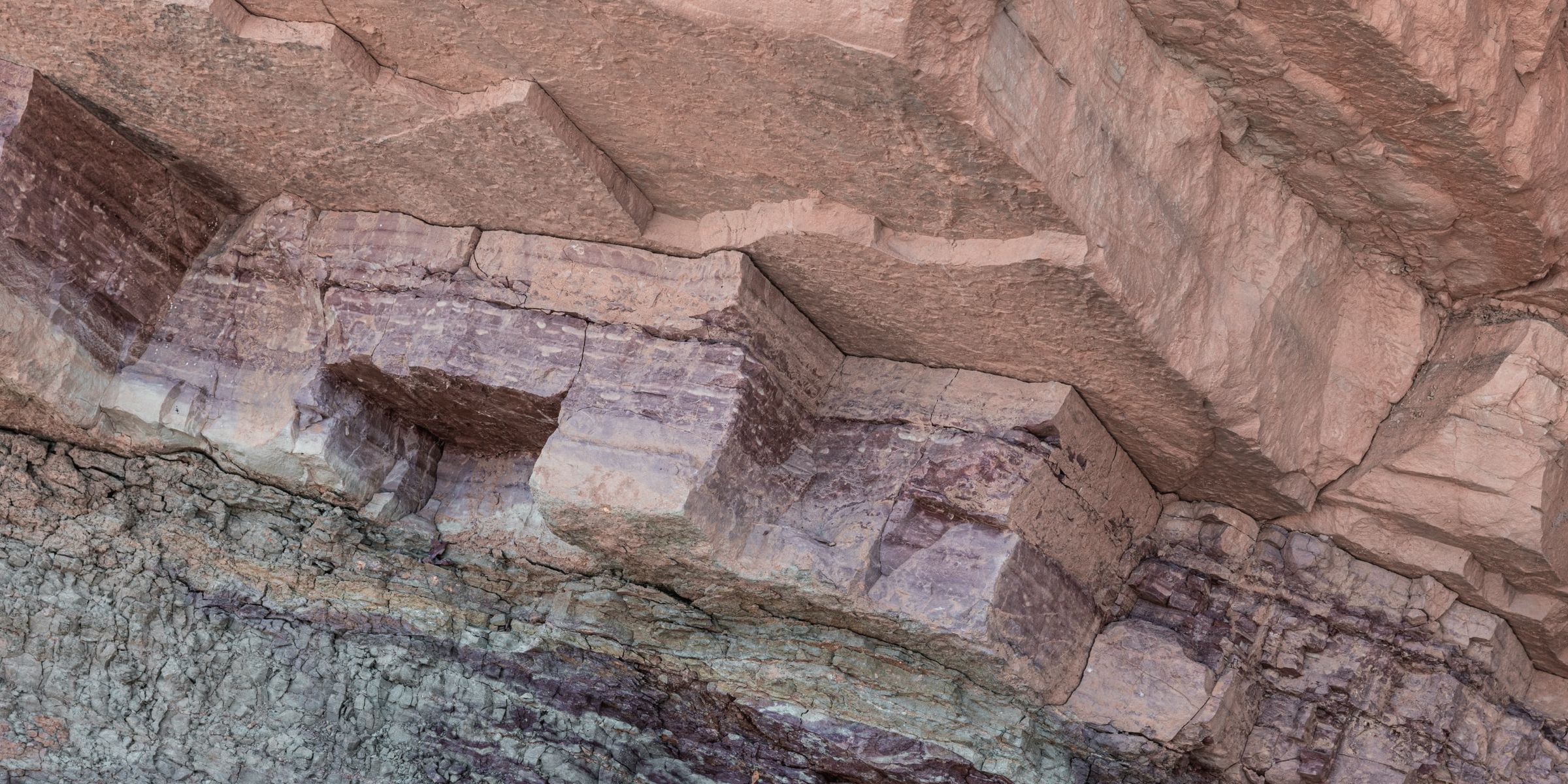
Sand and silicates hold up our economies and societies. They also underpin ecological and climate resilience.
Construction aggregates for buildings, roads, rail and ports. Silica sand for glass and foundry casting. Clays and kaolin for ceramics, tiles and paper.
Concrete for homes, schools and hospitals. Sand filters for clean water. Glass for packaging, health care and the screens we work on.
Sand and sediment in rivers, deltas and coasts. They hold land in place, carry nutrients and keep habitats alive.
High-purity quartz for solar panels and chips. Sand for coastal defence and beach nourishment. Materials for low-carbon buildings and energy storage.

The impacts of sand extraction are now documented and on the global agenda. Due diligence law is about to bring them into supply contracts. That is when they become business risks.
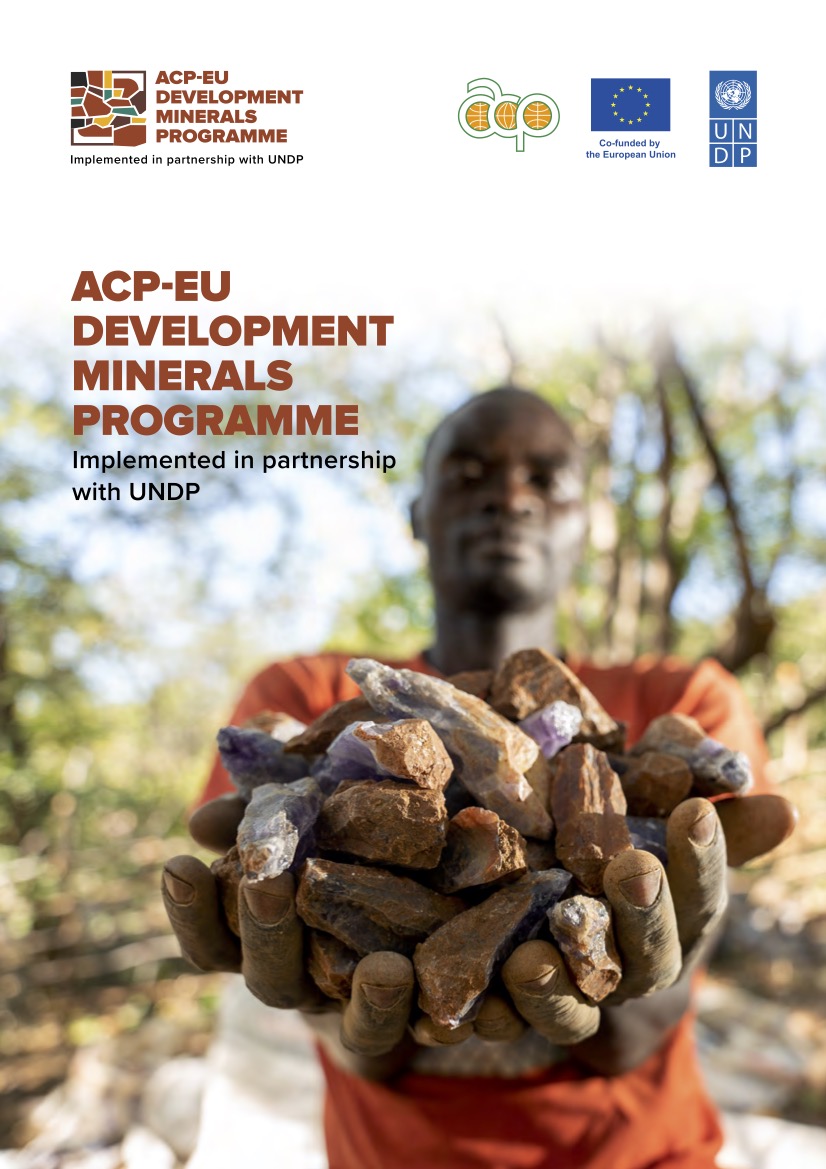
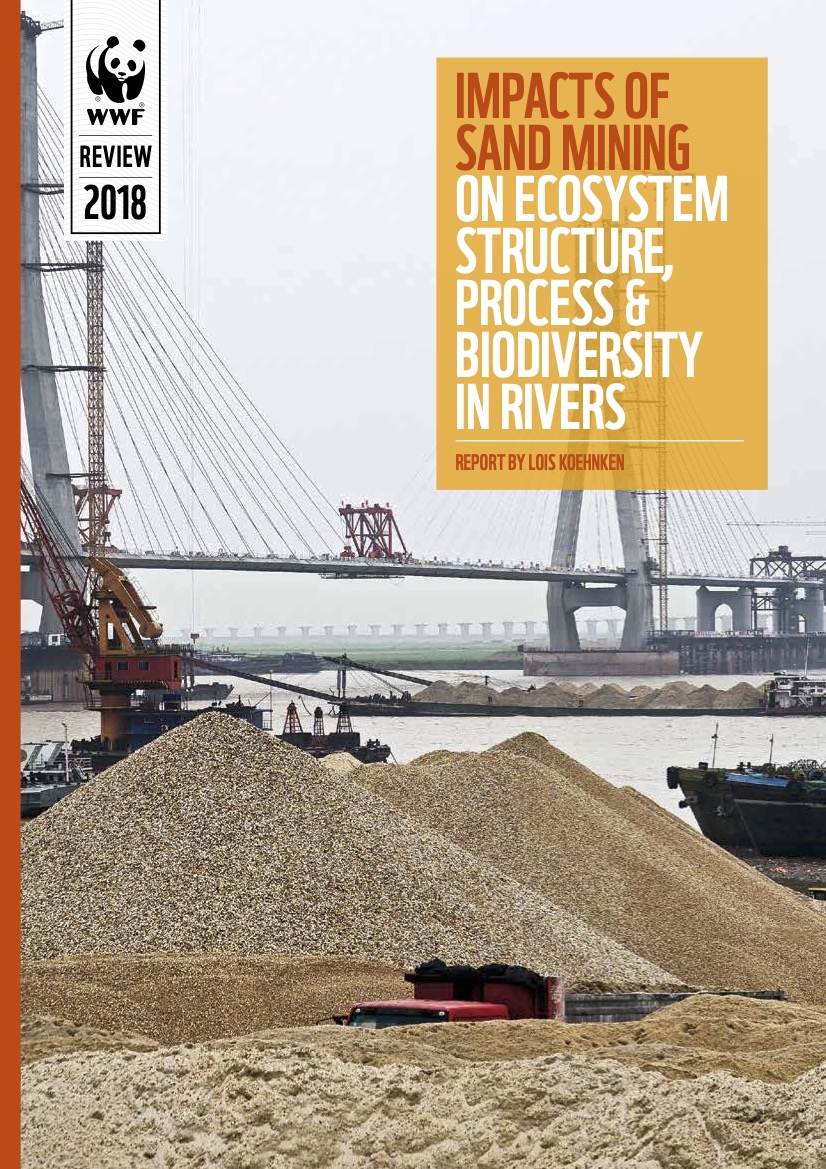
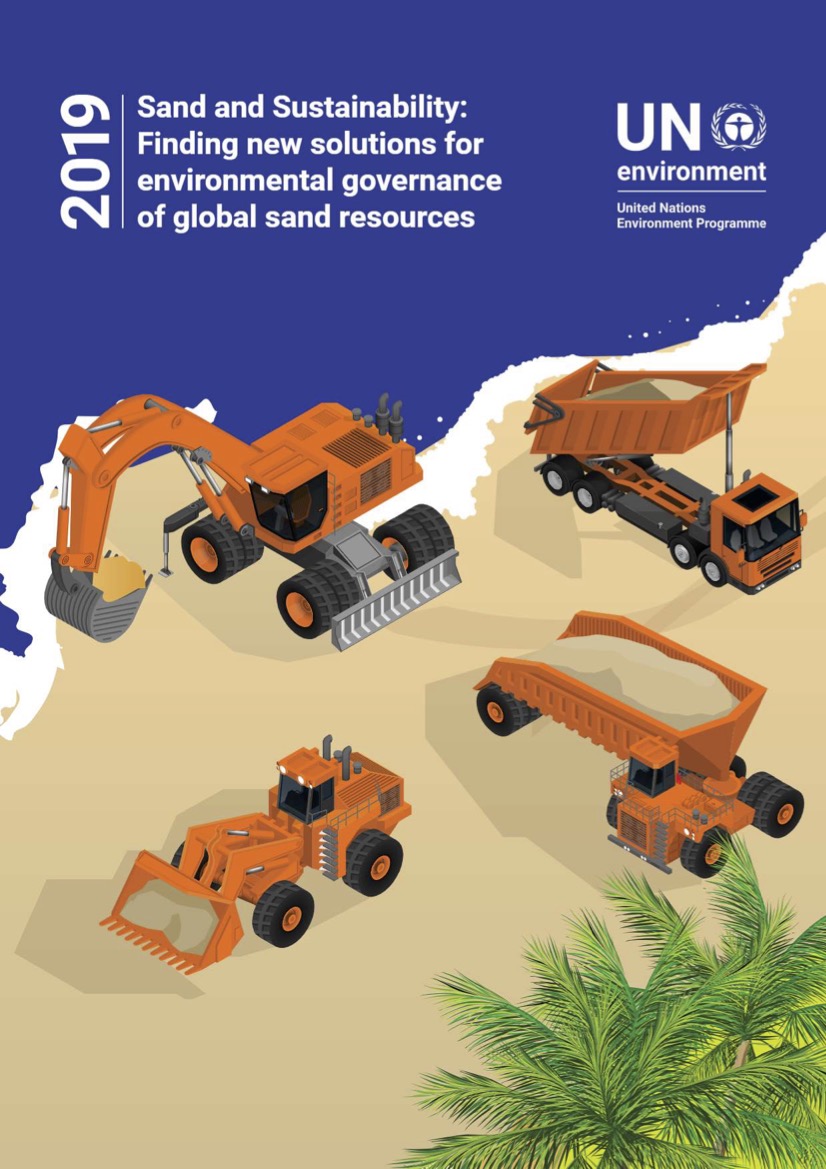
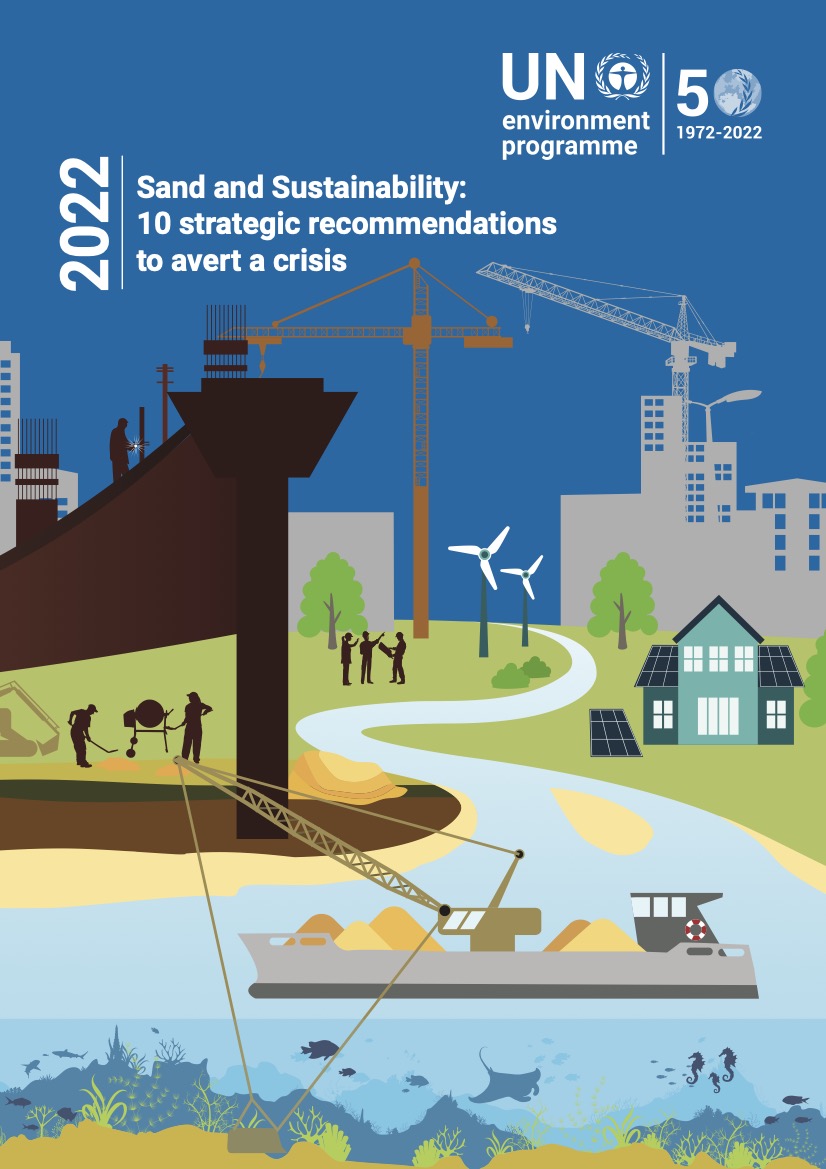
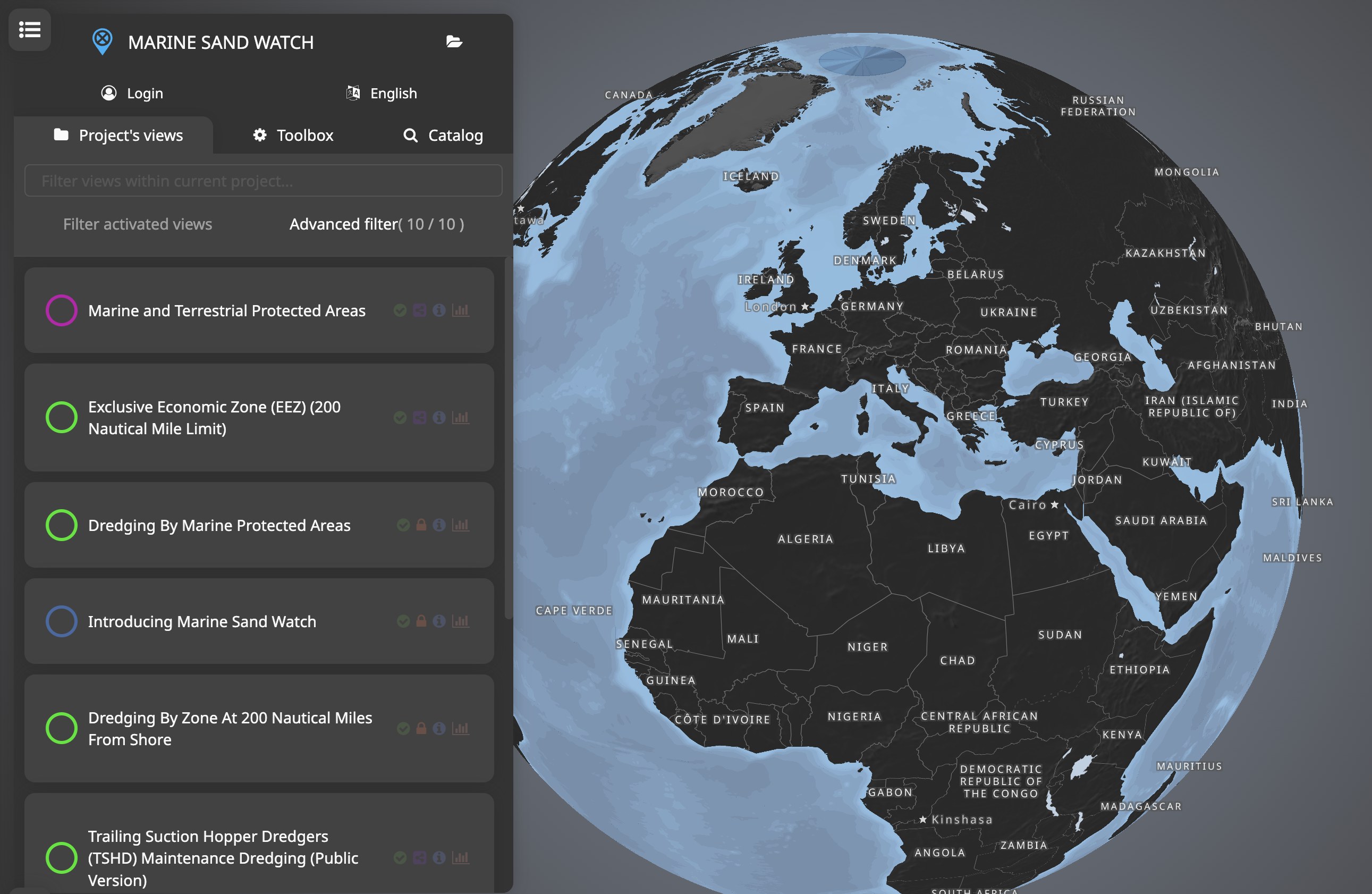
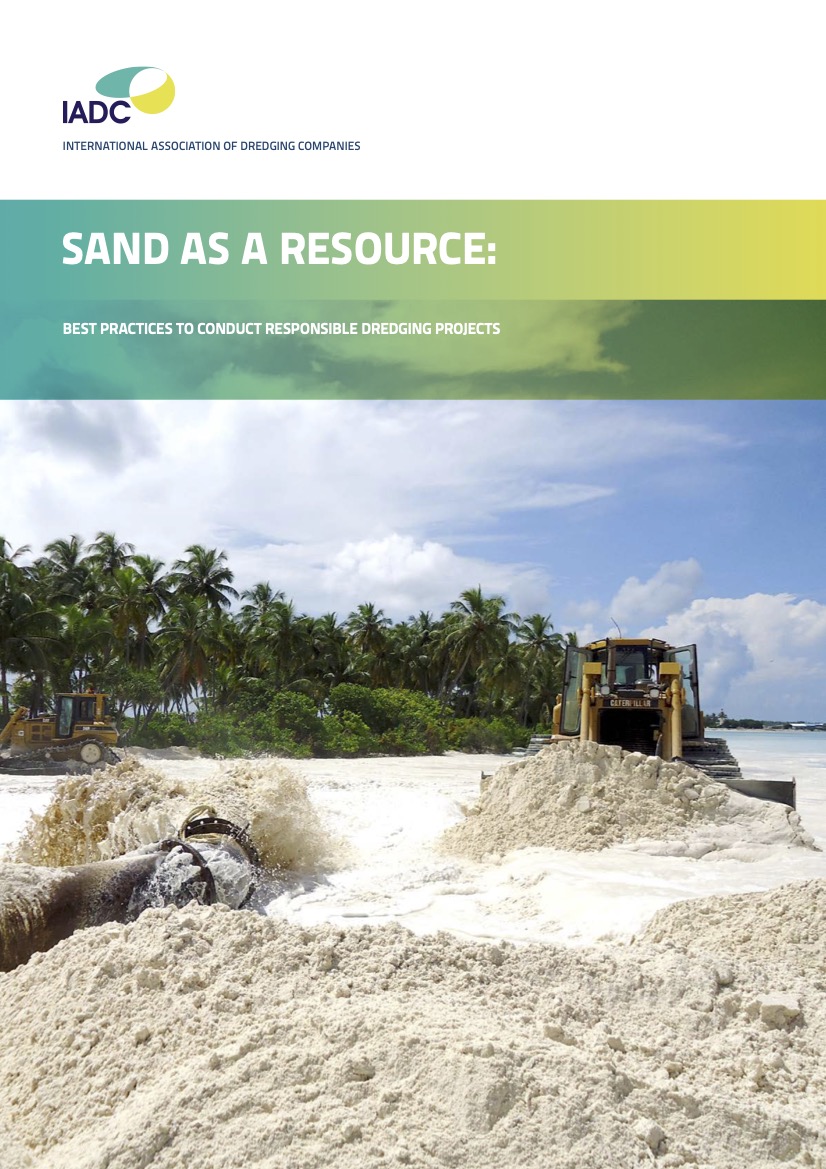
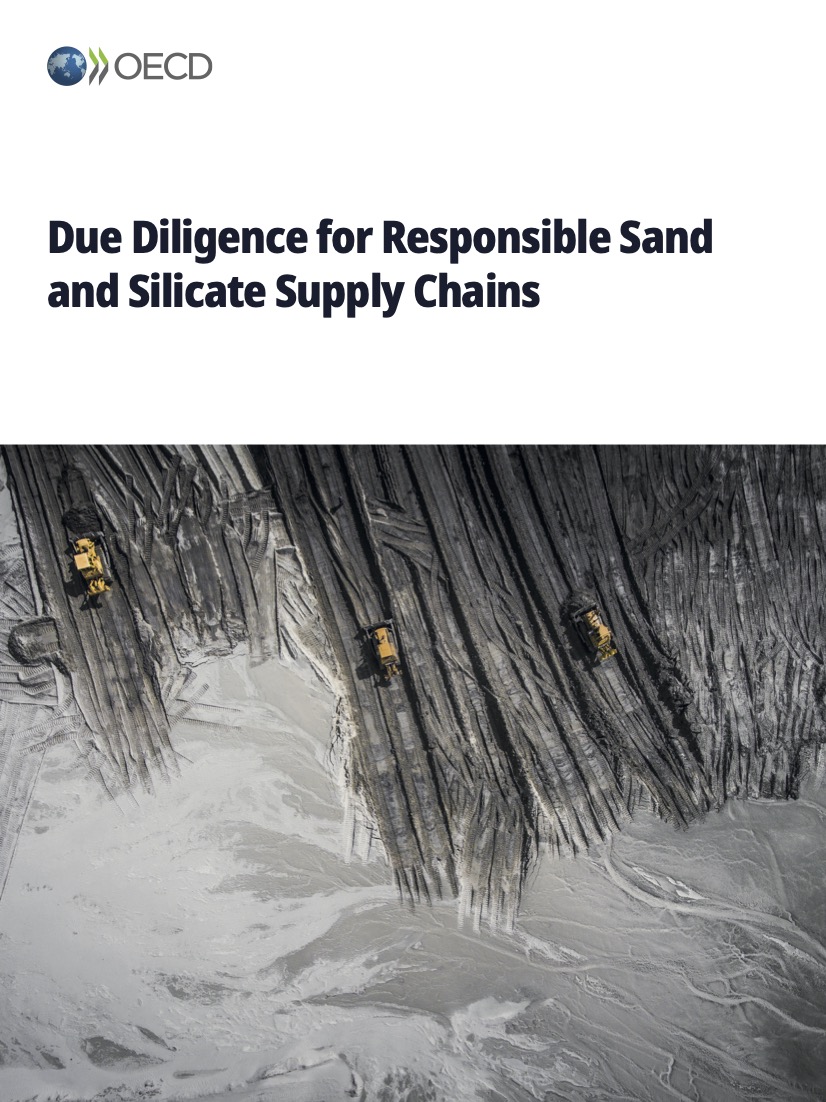
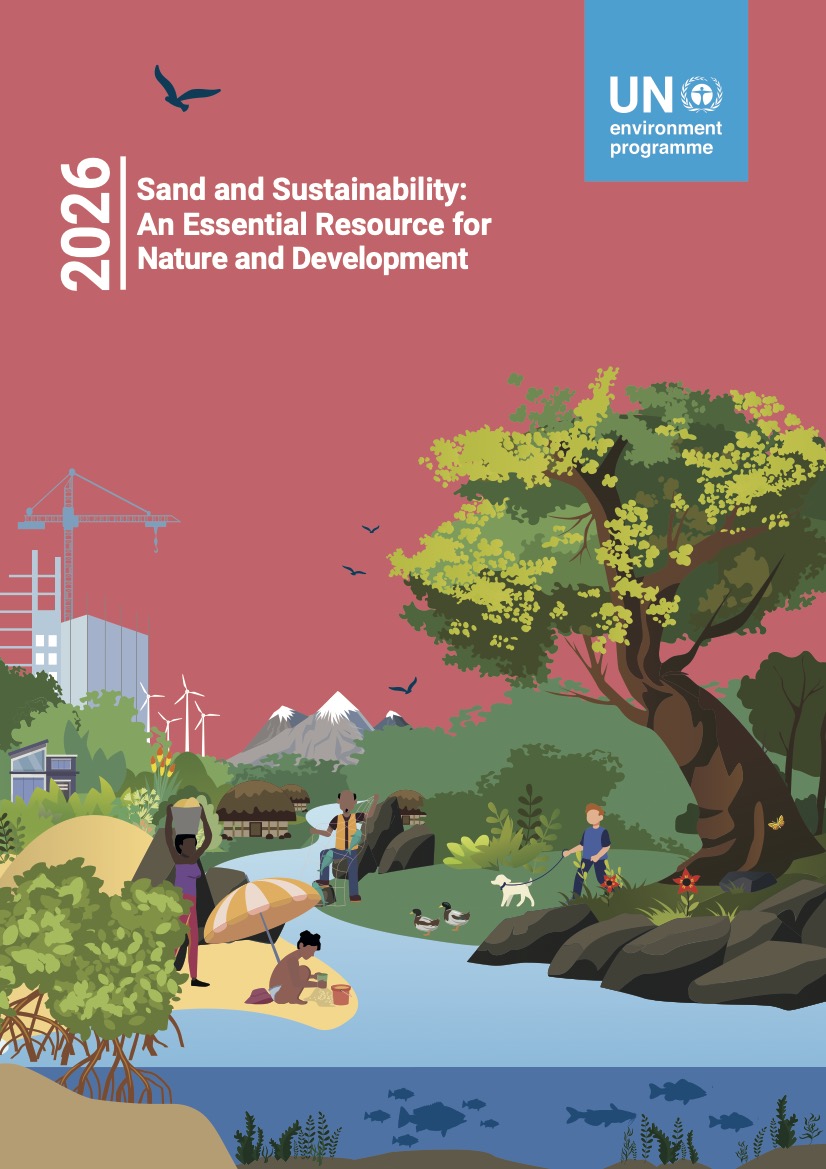
Covers belong to their publishers. Each links to the source. Large dots mark agenda-setting work, small dots research and industry.
Four questions for procurement, sustainability and continuity teams to answer together.
About 50 billion tonnes are extracted each year. Only water is extracted more. Up to one-sixth of dredging in 2018–2022 took place in marine protected areas. OECD (2026)
One US mine supplies about 70% of high-purity quartz. Hurricane Helene halted it in 2024. OECD (2026)
Human rights and environmental due diligence is becoming law. From 2029 the EU's largest companies must apply it to their business partners. Direct suppliers come first. In 2026 the OECD applied its due diligence framework to sand and silicates for the first time. EU Omnibus I (2026); OECD (2026)
Most teams start from one of two goals.
The same evidence serves both.
Not sure on any of these? Neither is anyone yet. That is what we're building.

We build a little.
We test it with you.
Then we build again.First prototype planned for mid 2027
odoStrata is in early exploration. We're building one shared view of where sand and silicates come from. It will show how reliable that supply is.
We work in short cycles. Each one ends with something you can try. Your feedback shapes the next.
Tell us the questions you can't answer yet about your sand and silicate supply.
We test our early maps against those questions. We use public and trade data.
You try each version and tell us what helps and what's missing.
You see what we build next before anyone else.
You never need to share supplier names or volumes.
Write to us at hello@odostrata.com